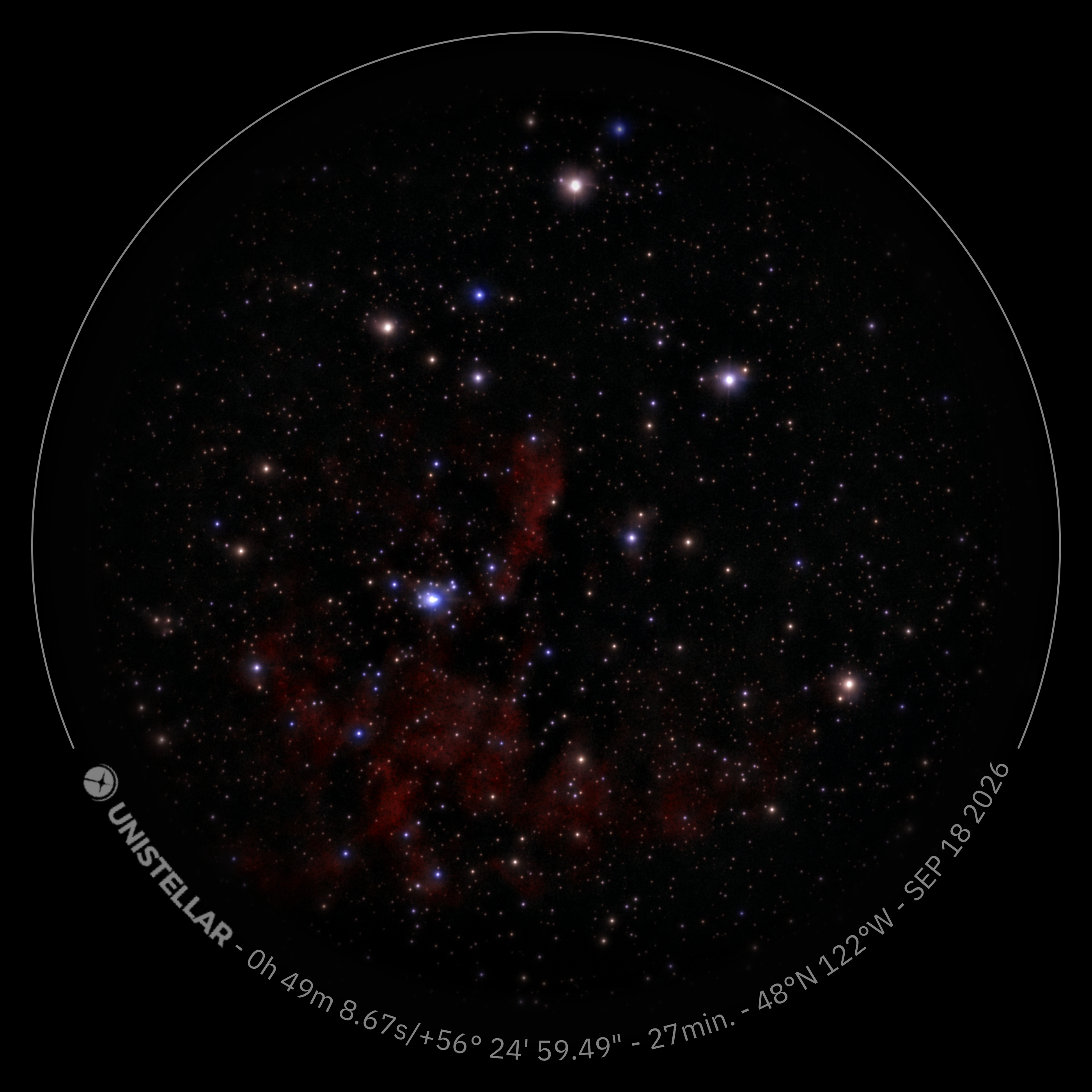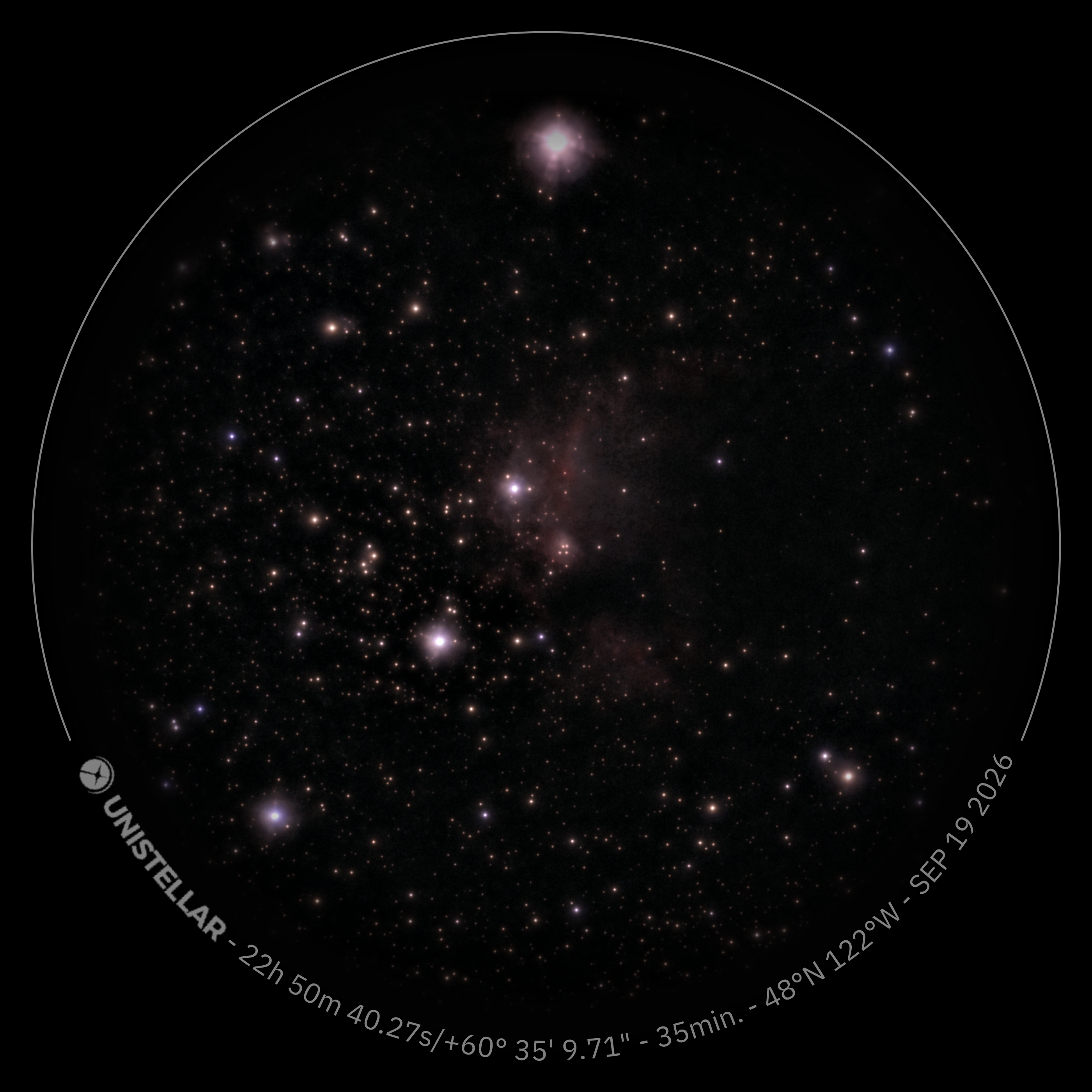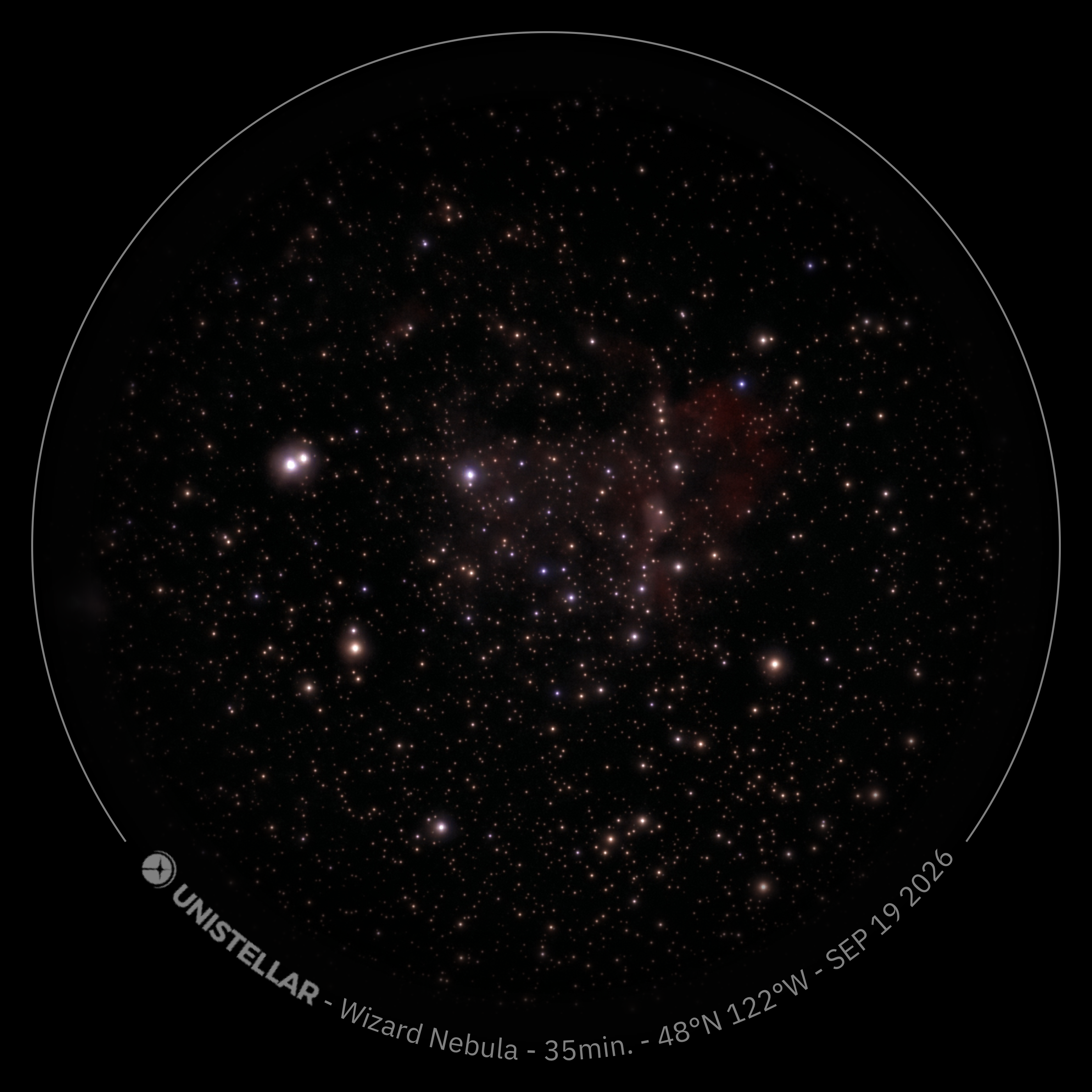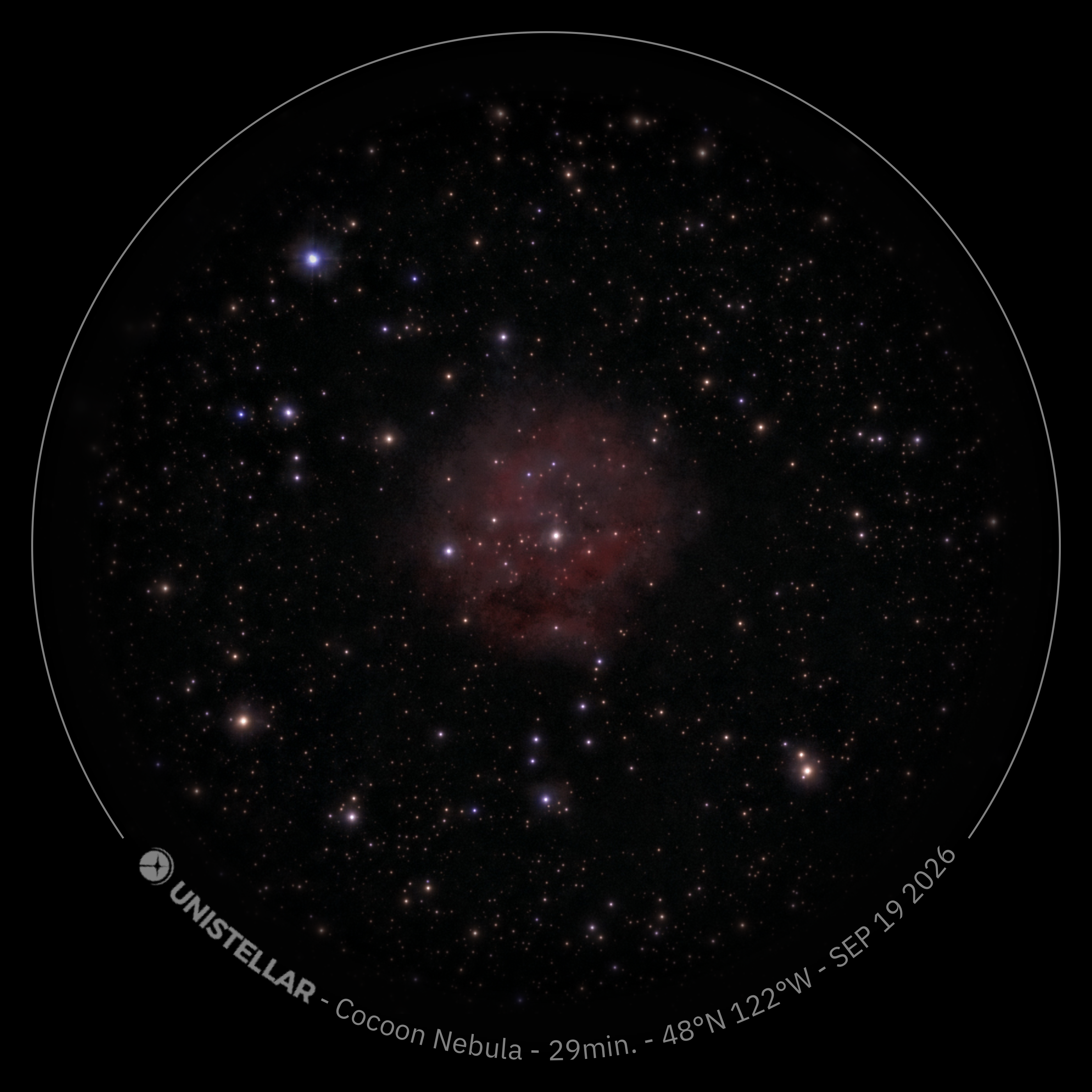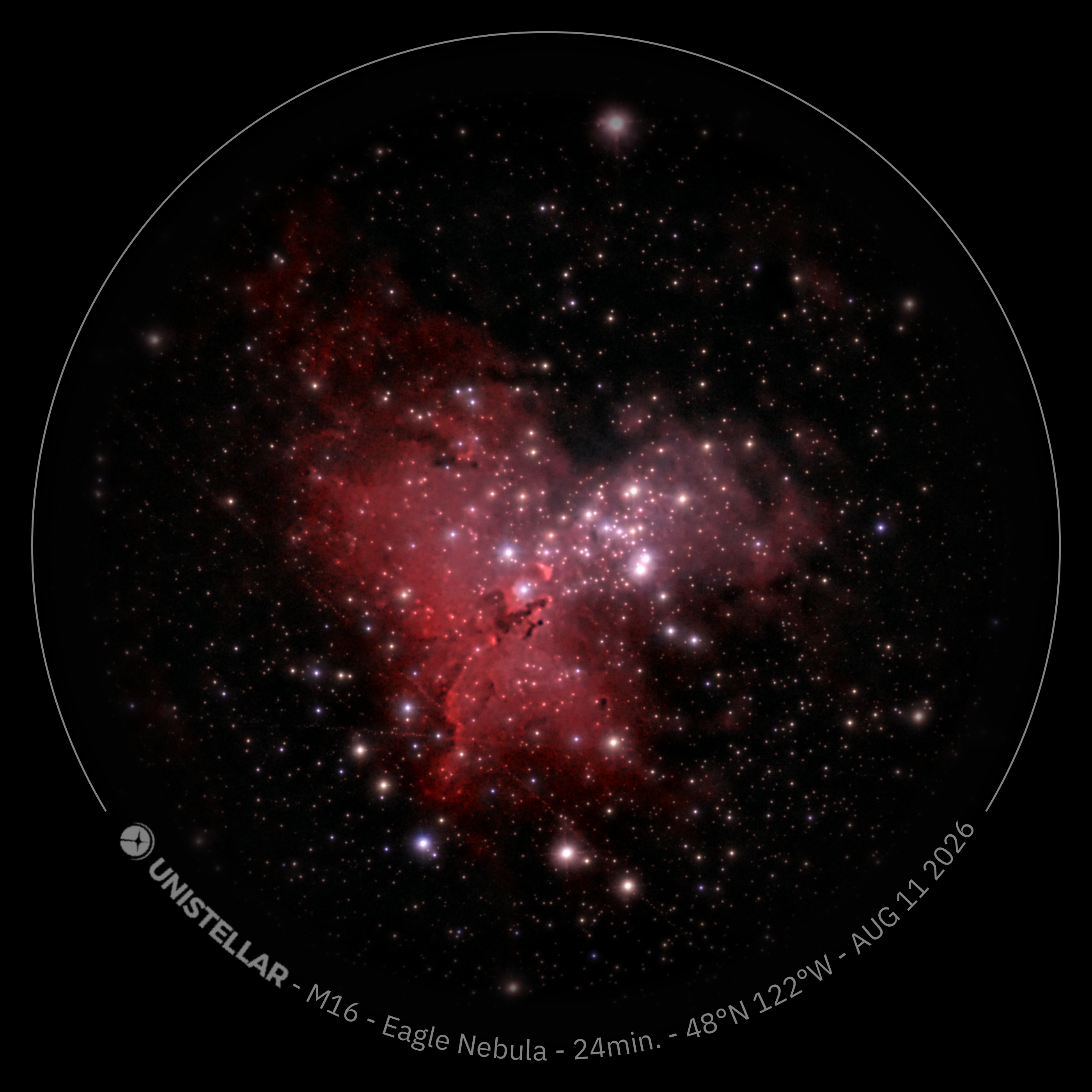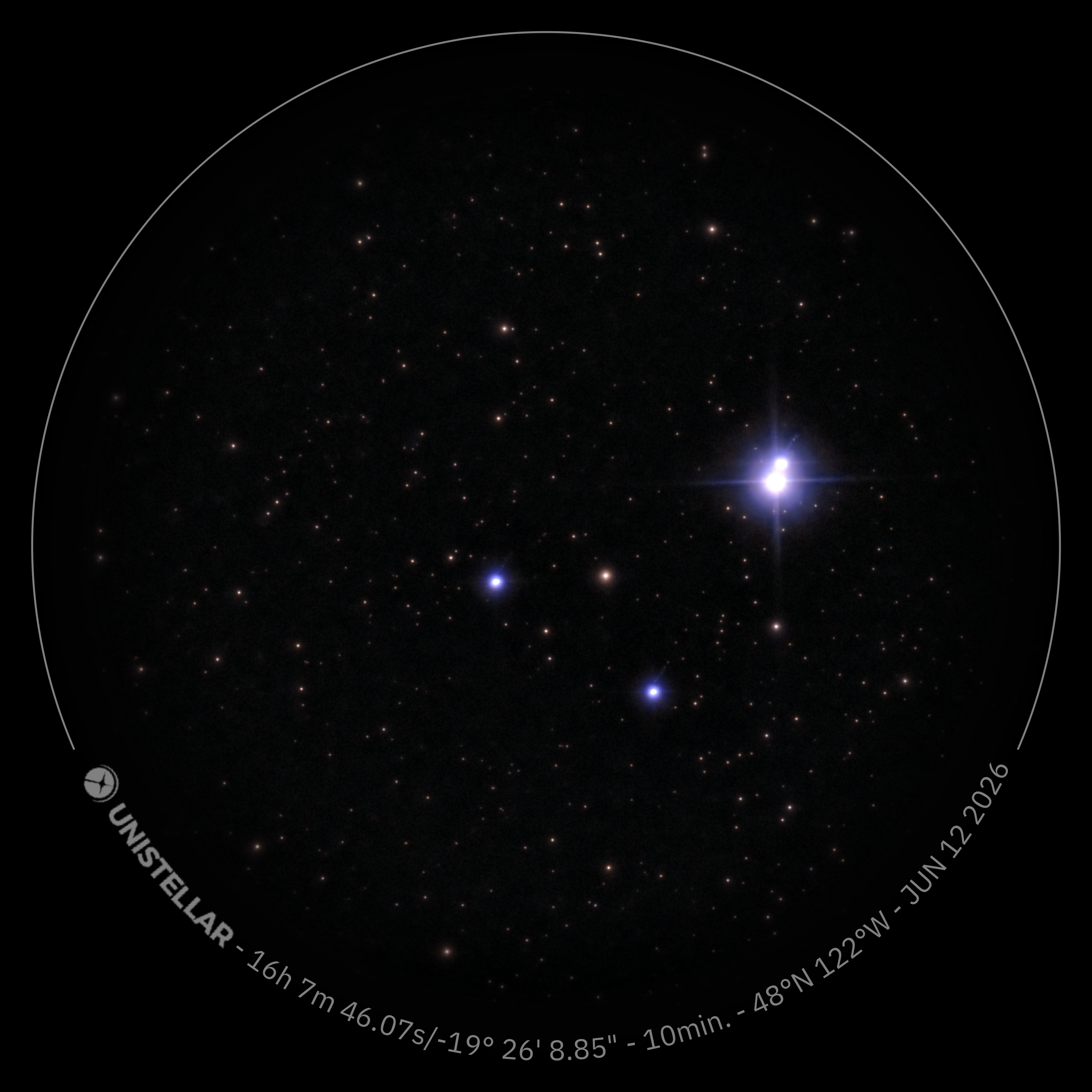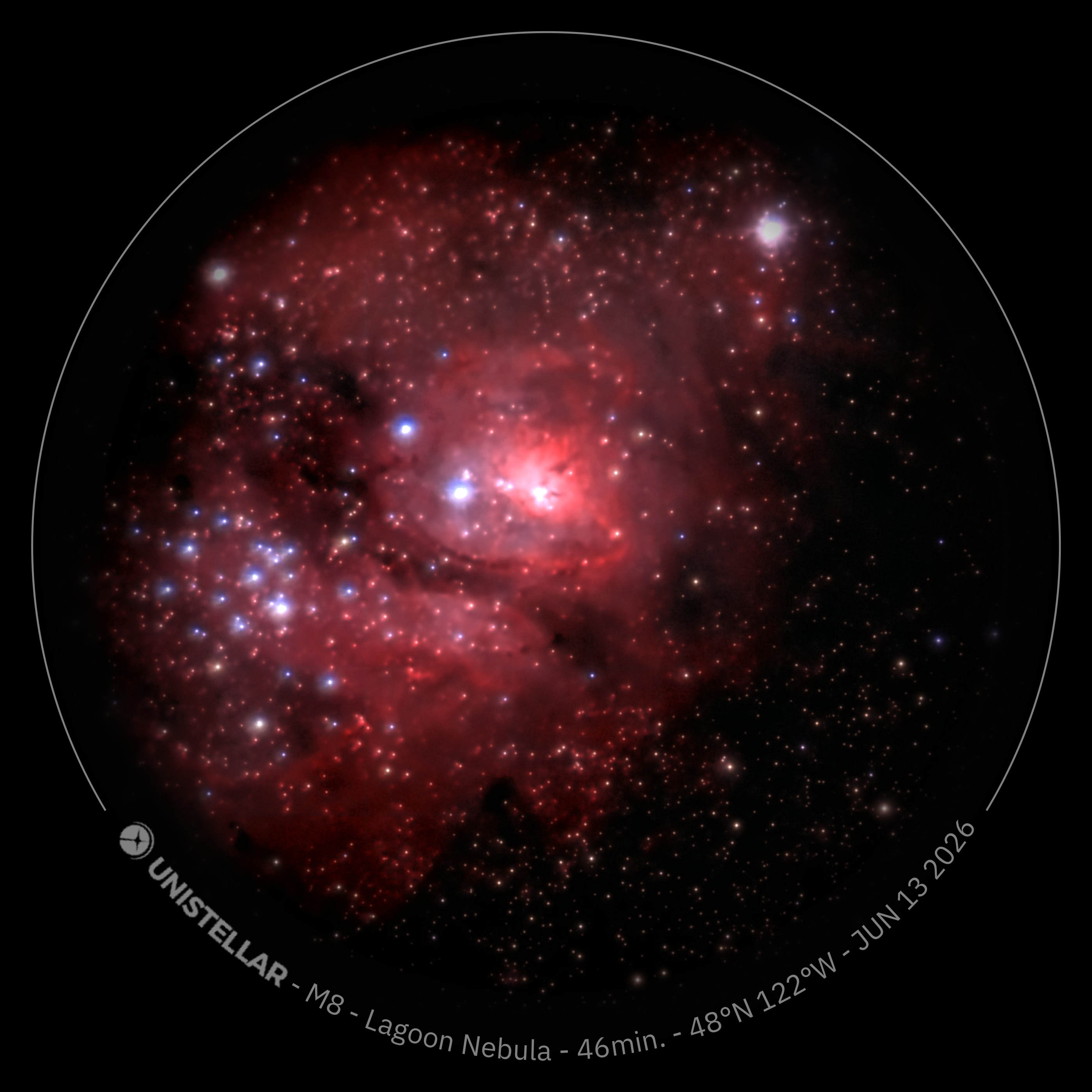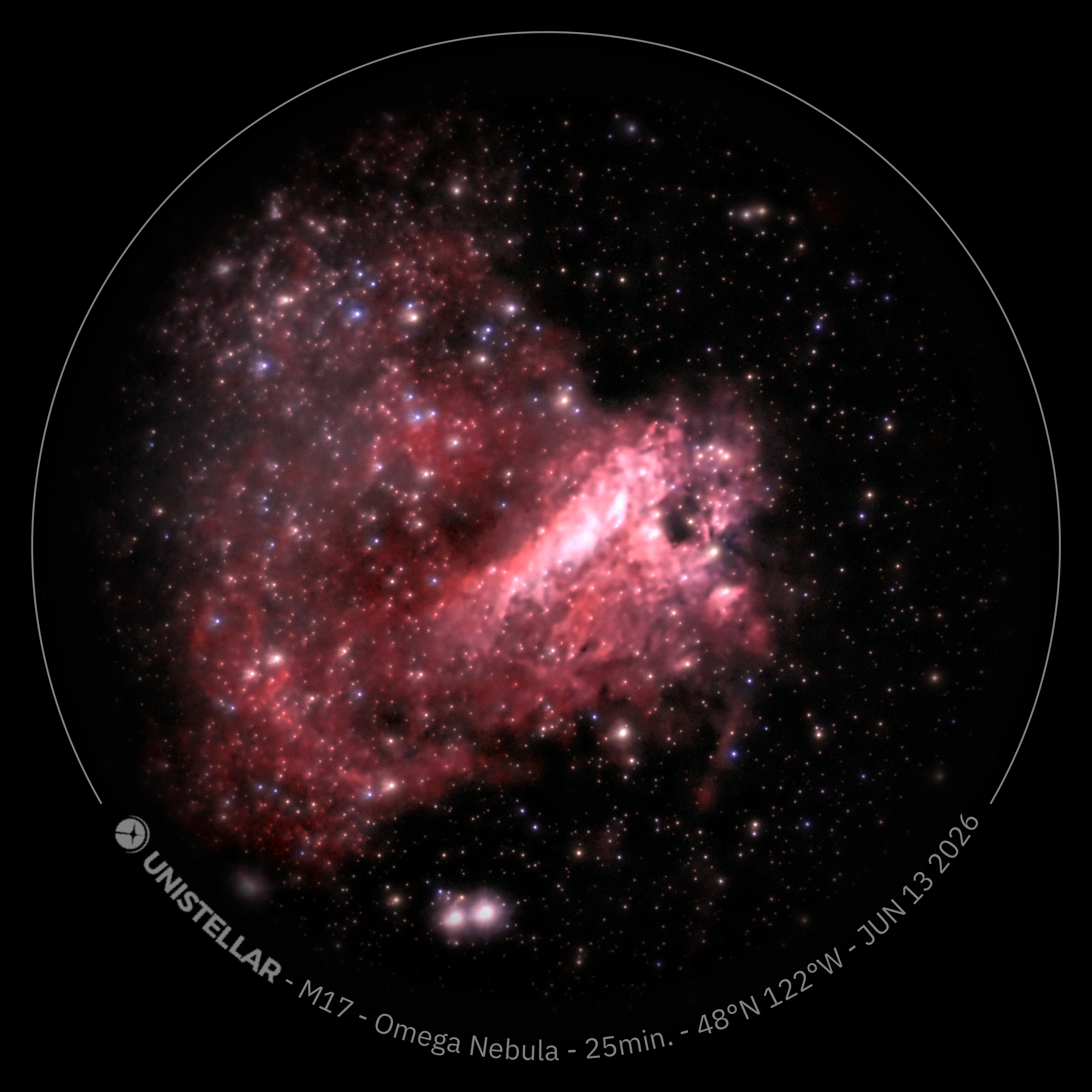
I had a night with wispy high clouds, so I decided to take images of star clusters. They seem like they’re easier for the telescope to retain a lock, and you usually don’t need to have as long of a dwell (although, I’ve learned, the longer dwells do pay off with a lot more detail and color).
The next night I managed to catch two new galaxies, including one that really likes to hide.
All of these will appear in their respective pages (star clusters and galaxies), linked in the header.
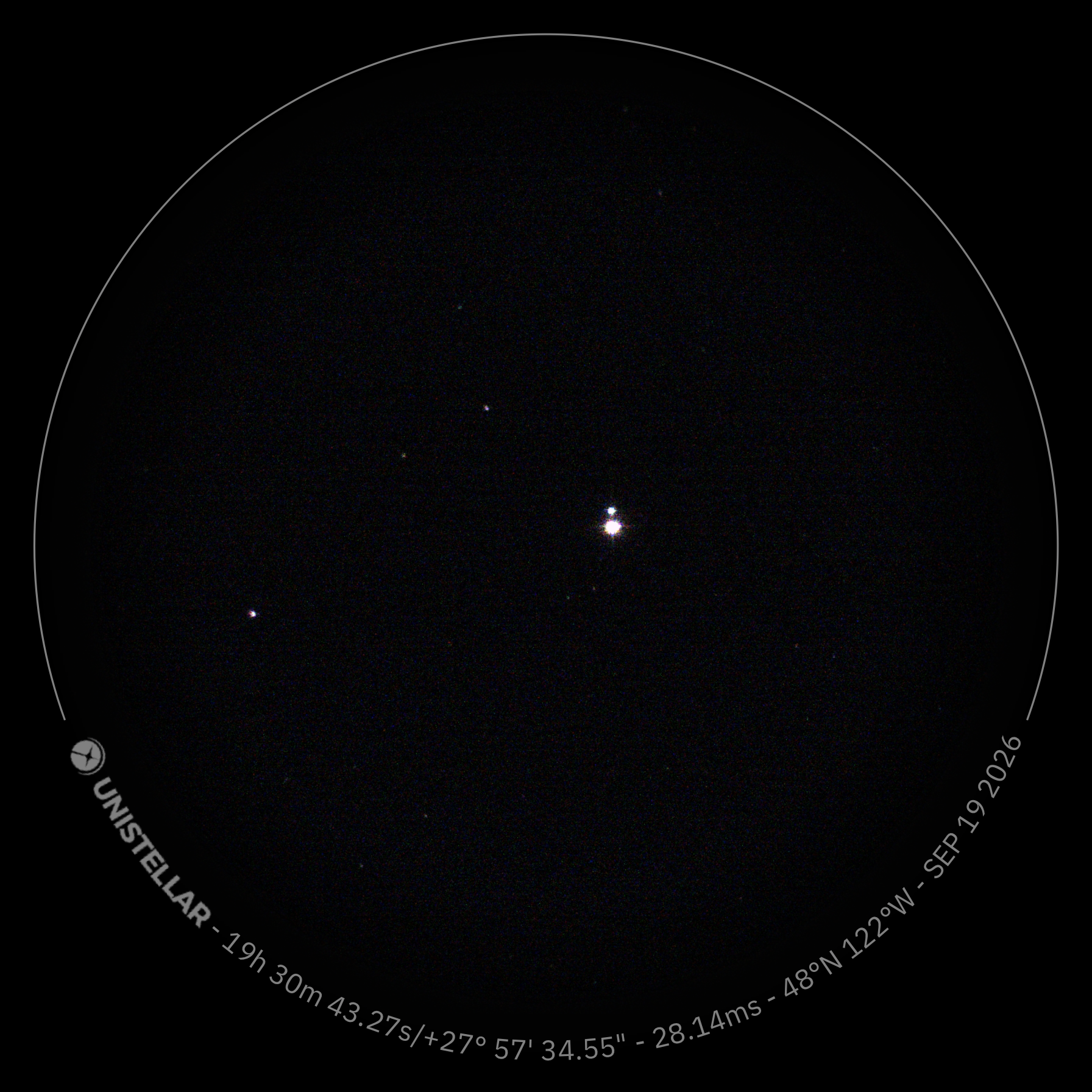
Albiero
28ms
2026-09-19
Two things: one, this isn’t a cluster, per se, it’s a binary star; and two, I said earlier that I wanted to try to re-capture this one, but with the settings tweaked to actually see the binary system. This is with both the gain and the brightness manually dialed way down, and you can clearly see the two stars. Compare this to my other Albiero image to see the difference.
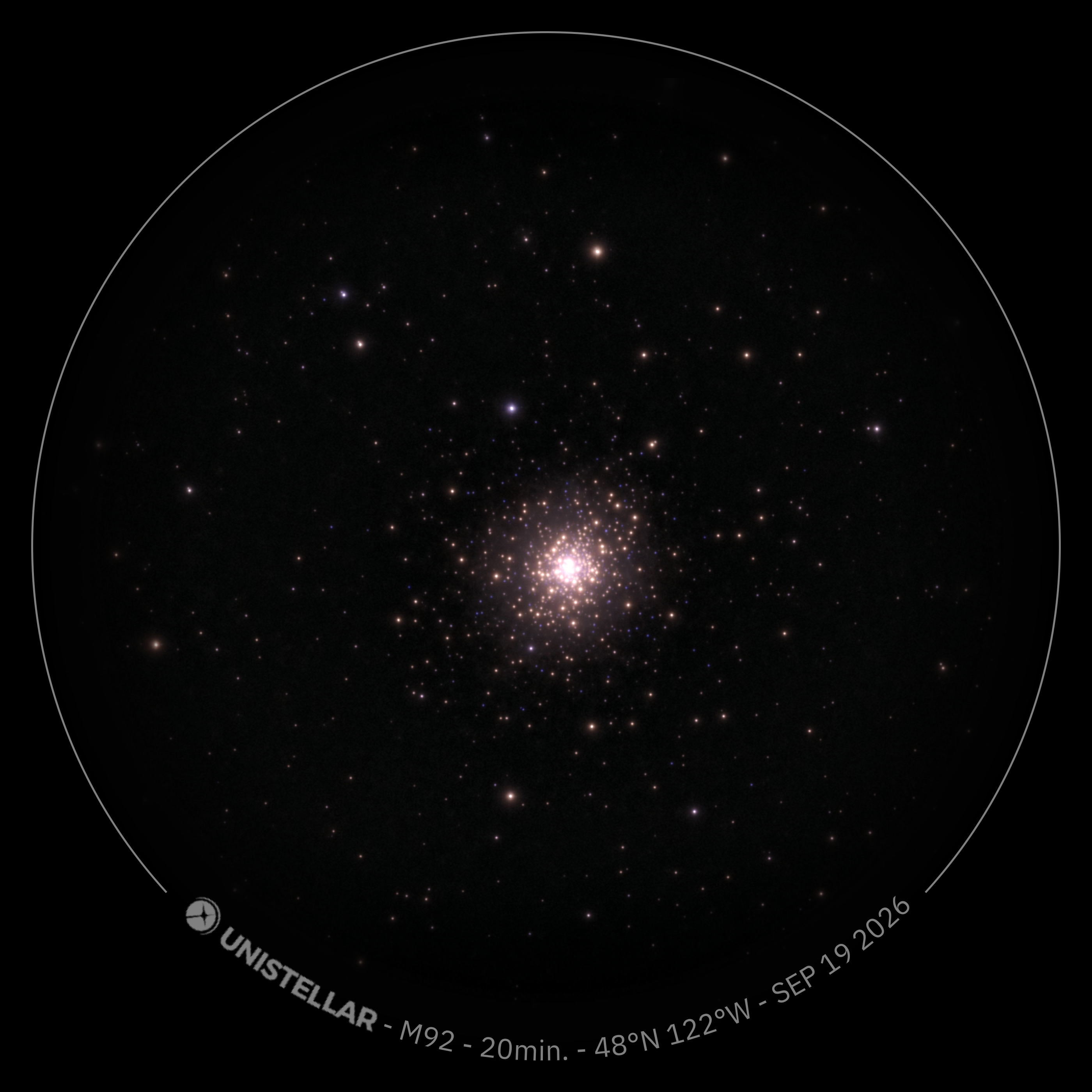
M92
20m
2026-09-19
My other shot of this one was super short, so I wanted a better one. There’s a lot of density in the center, but the longer dwell time shows all the little dust-grain stars that the shorter dwell missed.
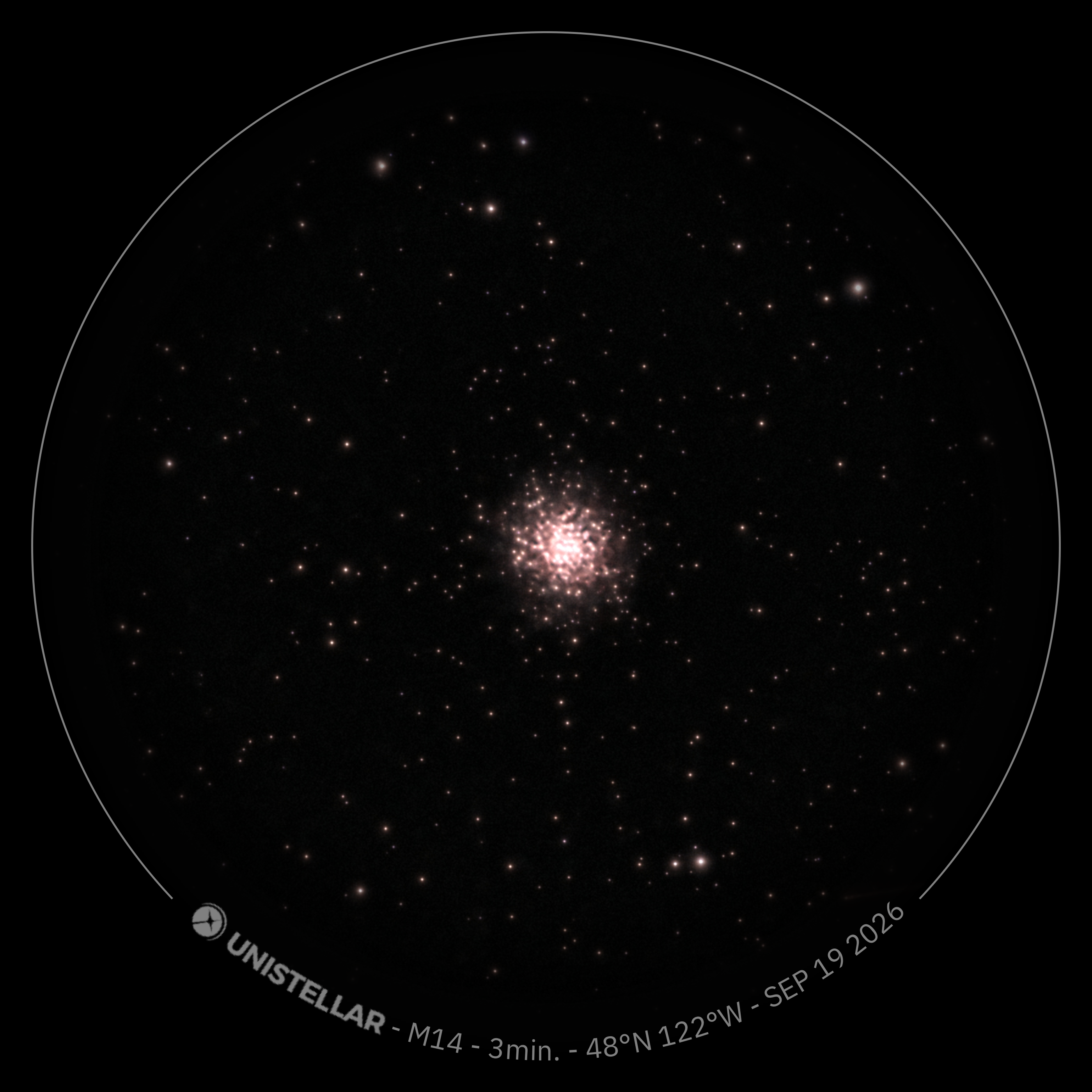
M14
3m
2026-09-19
I actually hadn’t captured M14 before, so here it is! Another tight cluster; I think the dwell got interrupted by the high clouds, and hence so short.
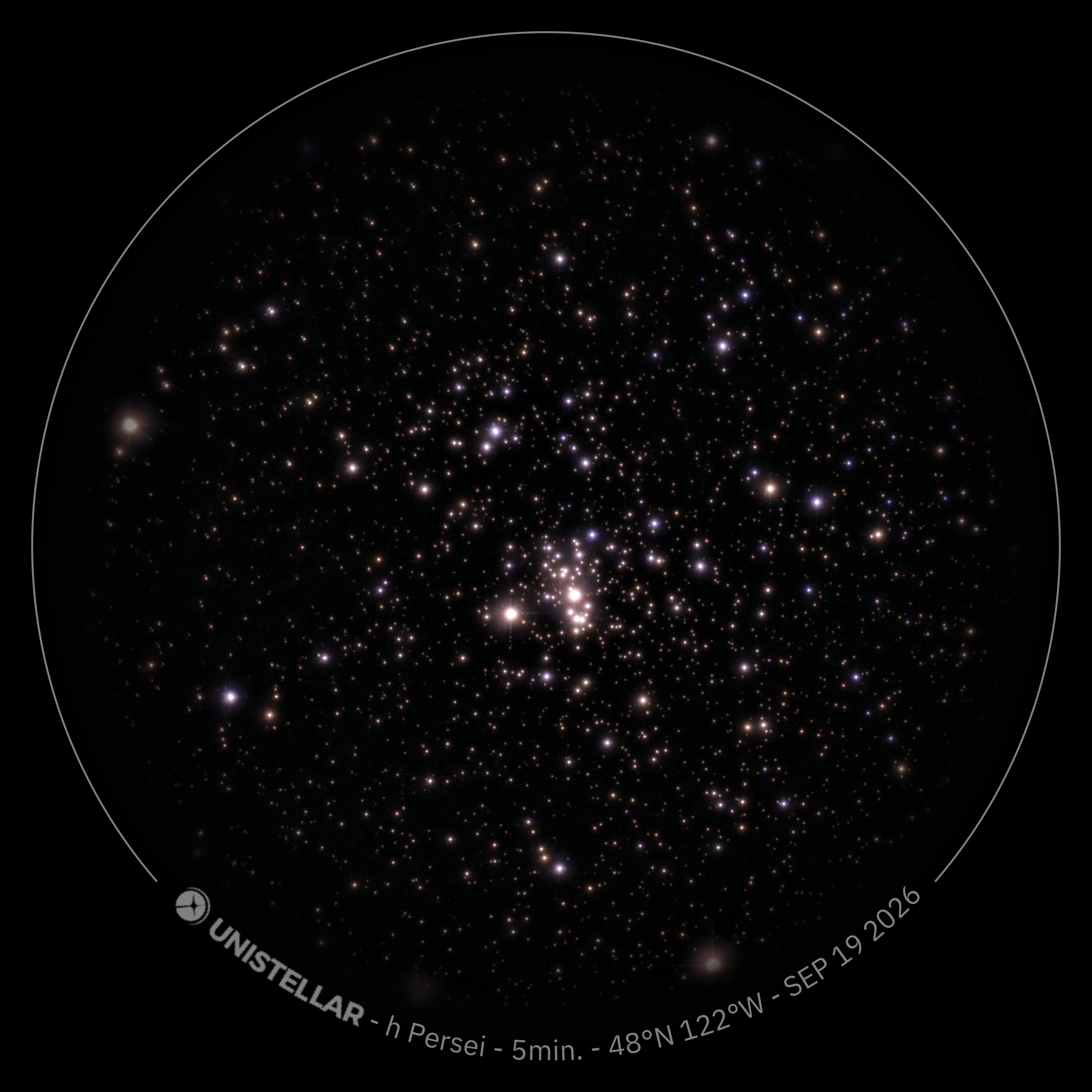
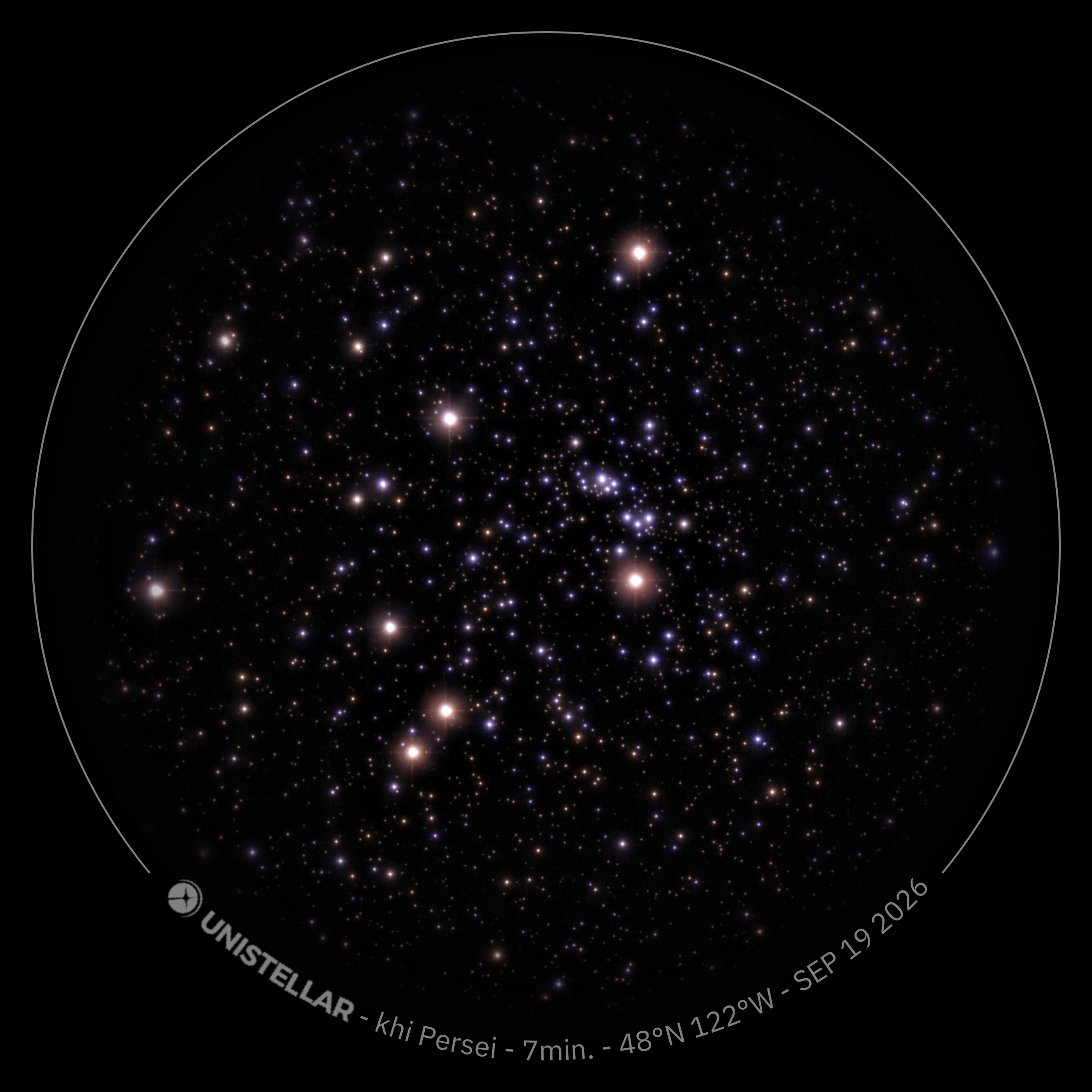
The h Persei and χ Persei clusters are each about 30-50 light years across, and only about 300-500 light years apart in actual space, in the direction of the constellation Perseus. In the eVscope, it’s referred to as khi Persei (rather than the greek χ) probably due to text encoding issues more than anything (although the geek in me wonders why they didn’t just do everything in UTF8, but whatever, we’re drifting off-topic). They’re both relatively sparse (open) clusters, with a mix of large-bright stars and small-dim stars of varying colors. With a smaller telescope that has a wider field of view, this double-cluster is an oft-photographed favorite, due to their proximity and distinctive appearances.
NGC 869 – h Persei
5m
2026-09-19
Part of the double cluster (with χ Persei), this is the slightly larger and brighter of the two.
NGC 884 – khi (χ) Persei
7m
2026-09-19
Part of the double cluster (with h Persei), this one is slightly less massive, dimmer, and more diffuse than its counterpart.
The next night I decided to target a few more dim objects – this time galaxies – to add to the catalog, and I got two nice ones.
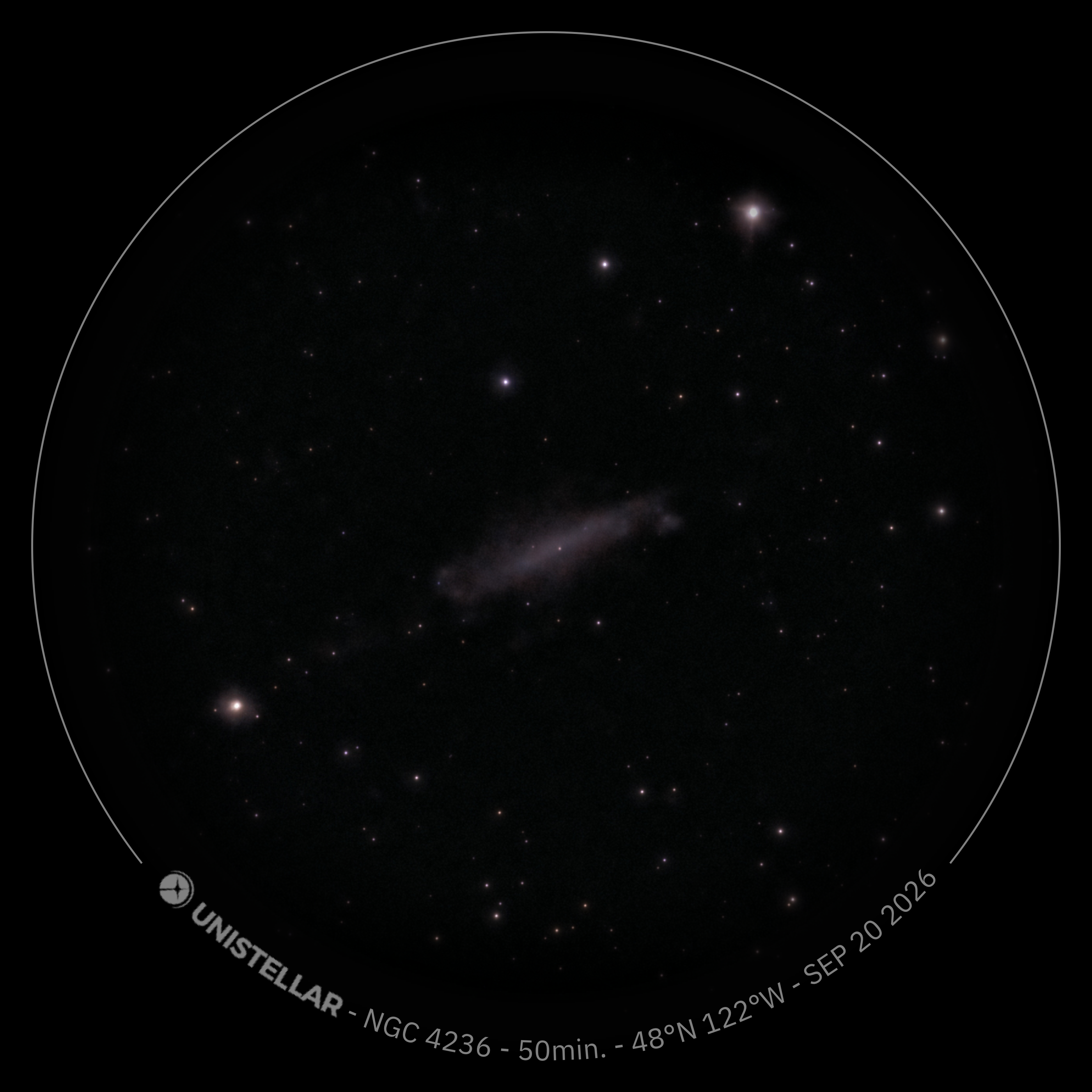
NGC 4236 / Caldwell 3
50m
2026-09-20
It lacks a well-defined center and bright core, but appears to be a relatively diffuse spiral. It’s part of the M81 group (M81 is Bode’s Galaxy), a cluster of galaxies all bound to one another gravitationally.
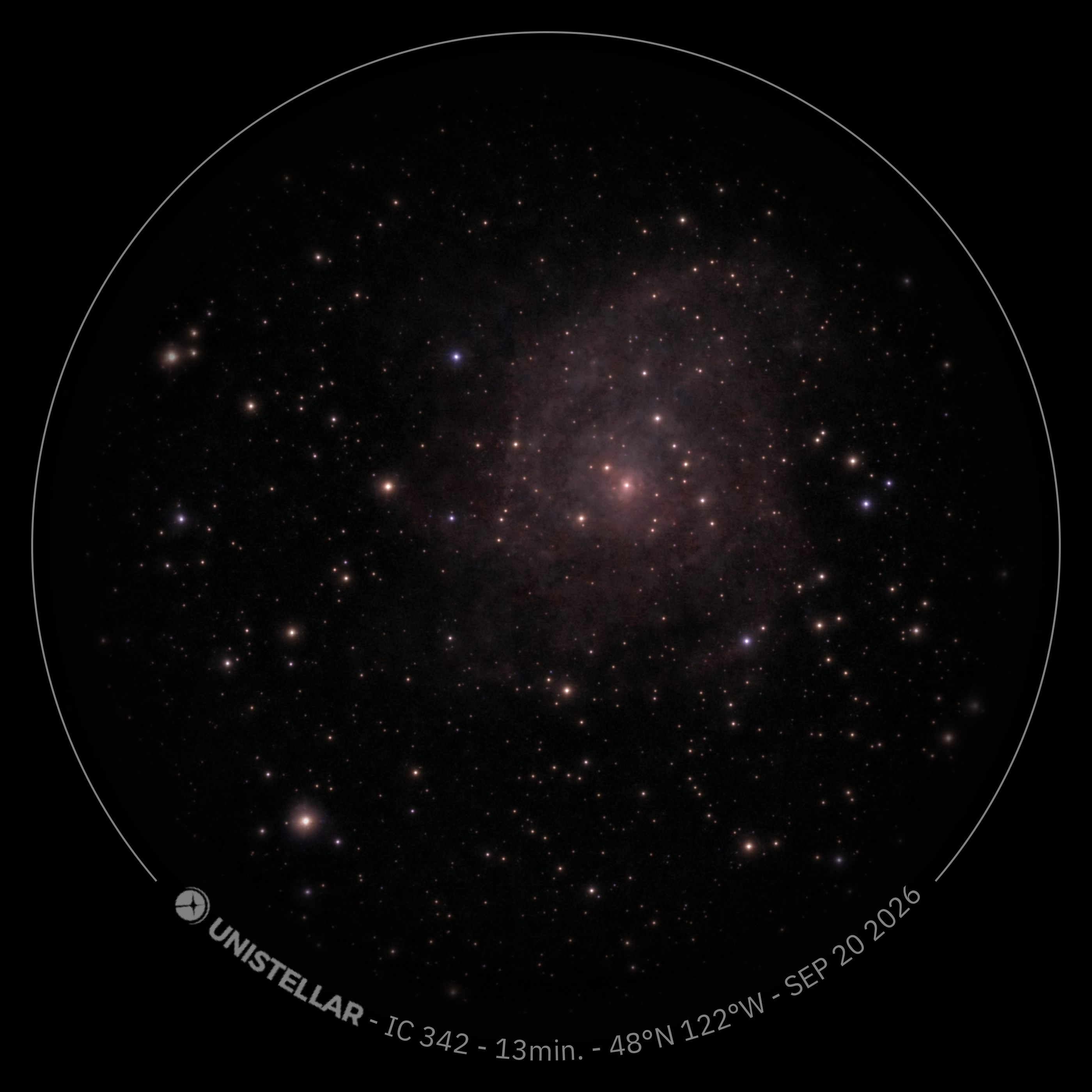
IC 342 / Caldwell 5 – The Hidden Galaxy
13m
2026-09-20
I only got this at 13 minutes because I wanted to save it and it was cool; when I tried for a 50+ minute shot, it failed due to high clouds. It’s called the Hidden Galaxy because it appears in the direction of galactic plane of the Milky Way – just far beyond it. So we’re seeing the parts of it that make it through the gas and dust and stars of our own galaxy.